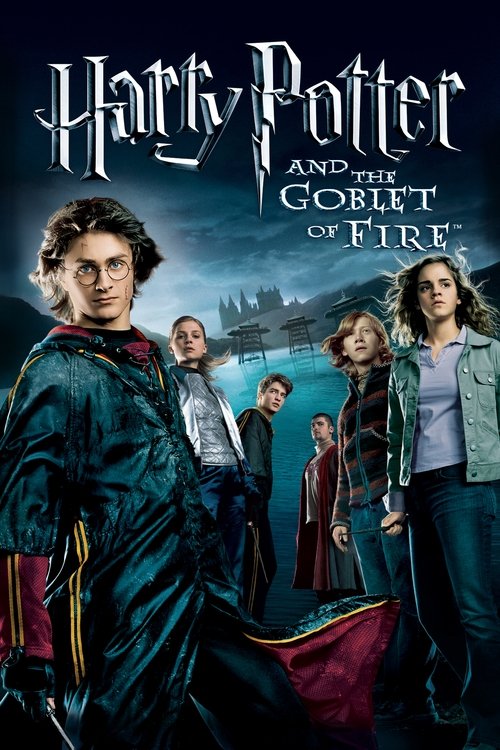
Harry Potter and the Goblet of Fire Review: Voldemort Rises
Goblet of Fire is where the Harry Potter series grows up: the graveyard, Voldemort's return, and the franchise's first on-screen death.
Harry Potter and the Goblet of Fire (2005)
Key facts
- Title
- Harry Potter and the Goblet of Fire
- Year
- 2005
- Released
- November 16, 2005
- Runtime
- 2h 37m
- Director
- Mike Newell
- Cast
- Daniel Radcliffe, Rupert Grint, Emma Watson
- Genres
- Adventure, Fantasy
- Studio
- Warner Bros. Pictures, Heyday Films, Patalex IV Productions
- Country
- United Kingdom, United States of America
- Language
- English, French
- Certification
- PG-13
- Franchise
- Harry Potter Collection
- Budget
- $150,000,000
- Box office
- $895,921,036
- Our rating
- 8/10
- Our verdict
- Goblet of Fire is where the Harry Potter series grows up: the graveyard, Voldemort's return, and the franchise's first on-screen death.
- Reviewed on
- November 26, 2026
- Reviewed by
- The Editor
Is Harry Potter and the Goblet of Fire worth watching?
Goblet of Fire is where the Harry Potter series grows up: the graveyard, Voldemort's return, and the franchise's first on-screen death (our rating: 8/10).
My review
Yes, Harry Potter and the Goblet of Fire earns its rewatch, and it is the pivot where the Harry Potter series stops being a school story. Mike Newell, the first British director the franchise hired, took the fourth book and removed the safety rails: a classmate dies on screen, Voldemort returns to a body, and the final scene hands the series over to the war it had spent three films postponing. Rotten Tomatoes carries the film at 88 percent from 257 critics, Metacritic gives it an 81 labeled Universal Acclaim from 38 critics, and TMDB holds 7.8 from 22,917 votes, all checked November 10, 2026. The middle squeezes the book too hard. The graveyard pays for everything around it.
Spoiler-free verdict: The darkest of the first four films and the hinge of the whole saga. Ralph Fiennes' Voldemort and Brendan Gleeson's false Mad-Eye supply the menace, the Triwizard tasks supply the shape, and the graveyard scene supplies the weight. The adaptation is visibly cramped and one famous Dumbledore scene misfires. The ending lands anyway.
What Harry Potter and the Goblet of Fire is about
The film opens at the Quidditch World Cup, where Death Eaters burn the camp in the first act of public terror the series has staged. Harry's scar acts up before anything happens, which is the film's way of telling you the danger has moved closer than the school gates. A flying portkey delivers him to the Quidditch World Cup and back to Hogwarts, where the Goblet of Fire will choose champions for the Triwizard Tournament, a contest between three schools that is old enough to be lethal. The cup spits out a fourth name: Harry's. He never entered. Under the rules, the Goblet's choice binds, so a 14-year-old competes against three seniors.
The tournament gives the film its three-act spine. A dragon, an underwater rescue, and a maze, each task darker than the last, with the Yule Ball wedged between them as the film's teen comedy engine. Through it all someone in the castle is engineering Harry's progress toward a specific finish line, and the film keeps the suspect pool tight: new Defense teacher Mad-Eye Moody, who swigs from a hip flask, and Ministry officials who dislike Dumbledore's influence.
The craft: fear with a shape
Newell's touch is velocity. The BBC's Paul Arendt called the film "relentlessly crammed with incident," adding that "you're never more than a minute away from a fight, a spell, or a monster," and that the downside is a story that feels rushed. The first task justifies the speed. The Hungarian Horntail breaks its chain and chases Harry across the school's rooftops and buttresses in the best effects sequence the series had staged, and the camera rides the broom like a war film. Sukhdev Sandhu's four-out-of-five review in the Daily Telegraph found the same nerve: "Where Newell really scores is in taking a leaf out of Peter Jackson's book and cranking up the fear factor."
That fear is the film's design choice, and it extends to how people look. Roger Ebert wrote that the film is "more violent, less cute than the others" while praising action that "has purpose, shape and style." Manohla Dargis, reviewing for the New York Times, gave the film's centerpiece its sharpest line: Ralph Fiennes' Voldemort "may be the greatest screen performance ever delivered without the benefit of a nose; certainly it's a performance of sublime villainy." Fiennes plays the part with a whispering, tender cruelty that never turns camp, and the snake-flat nostrils and extended fingers make the face itself the effect.
What works
The graveyard scene is the reason this film exists, and it remains the franchise's best-directed set piece. Harry is dropped into a clearing with a portkey, Cedric is killed within seconds, and the ritual that follows (bone, flesh, blood, cauldron) brings Voldemort out of the ground as a physically reborn person rather than a floating face. The film's whole visual vocabulary has been warming toward this: grey skies, harsh flashbacks, the Death Eaters in masks that look like welded metal.
Brendan Gleeson's Mad-Eye Moody is the film's best performance. The character is a walking wound with a swiveling eye and a mood of permanent ambush, and Gleeson plays him so entertainingly that the reveal lands as a gut punch twice: once when Harry works it out, once when you remember the hip flask. David Tennant's Barty Crouch Jr. carries the ending's interrogation scene with a flicking tongue and a hero's welcome for his master.
The Yule Ball also earns its keep. Ron in frilled dress robes, Harry working up to asking a girl out, Hagrid confessing his feelings: it is the film's only school-comedy stretch, and the awkwardness is specific enough to hurt.
What doesn't
The book is enormous and the film is visibly out of breath. The BBC's review noted the "judicious cutting" (no Dursleys, no house elves) and still called the fit tight at 157 minutes. The Quidditch World Cup match itself vanishes in under two minutes, per Time Out's review, and the subplot casualties pile up offscreen. Empire's Angie Errigo scored it 60 and named the complaint that never goes away: "Terrific effects and considerable charm, but, once again, you can't help wishing the filmmakers had been bolder with the adaptation."
One scene misfires badly. When Harry's name comes out of the Goblet, Michael Gambon's Dumbledore grabs and shouts his "DID YOU PUT YOUR NAME IN THE GOBLET" line with a fury that contradicts three films of a calm, twinkling character, and the scene has been the fandom's standing complaint ever since. Rotten Tomatoes' audience reviews still cite it today. The maze is the other soft spot: the CGI hedges and the budget-level effects there sit below the standard the dragon task set twenty minutes earlier.
Goblet of Fire ending explained
Spoiler-free summary first. Harry survives the tournament, someone wins, and the school's final assembly is a memorial, not a celebration. The film closes on the three friends in the courtyard, with Ron asking whether everything is about to change and Harry answering yes. The mechanics behind that ending are where the film keeps its real plot.
Spoiler warning. The rest of this section explains the ending in full.
The who and the how: Mad-Eye Moody is the impostor, the real Moody has spent the year locked in a trunk, and the impostor is Barty Crouch Jr., working for Voldemort from inside Hogwarts. He put Harry's name in the Goblet, steered him through the tasks, and rigged the maze so that Harry and Cedric reach the cup together, because the cup is a portkey. In the graveyard, Wormtail kills Cedric, completes the ritual with Tom Riddle Sr.'s bone, Wormtail's flesh, and Harry's blood, and Voldemort steps out of the cauldron reborn. The Death Eaters gather, and Harry escapes when the wands' twin cores lock in a golden dome that produces the echoes of Voldemort's recent victims, whose shades give Harry the seconds he needs to grab Cedric's body and the portkey.
The film's last beat is the meaning of all that machinery. Back in the hospital wing, Dumbledore holds Harry and delivers the promise that Ebert quoted in his review, "Dark and difficult times lie ahead," and the film ends with the schools standing together against the Ministry's official denial. The fourth film ends a trilogy of school stories and opens the war.
Where to watch Harry Potter and the Goblet of Fire
TMDB lists the release date as November 16, 2005, and Rotten Tomatoes carries the wide US opening as November 18, 2005, with a February 16, 2025 theatrical rerelease and a US gross of $290.0 million. TMDB's production data carries the $150 million budget against $895,921,036 in worldwide revenue, and Metacritic's awards box counts one Academy Award nomination. The US certificate is PG-13 for sequences of fantasy violence and frightening images, and the runtime is 157 minutes.
For US viewing right now, TMDB's watch listing carries no subscription option (checked November 10, 2026), while Metacritic's where-to-watch box names HBO Max the same day. To rent or buy, TMDB lists Amazon Video, Apple TV Store, Google Play Movies, YouTube, and Fandango At Home, with rental also on Spectrum On Demand and Plex. Availability shifts by region and month, so confirm on your device. Current availability and member ratings sit on our Goblet of Fire streaming options and member reviews page.
Goblet of Fire in the eight-film saga
This is the fourth of eight films, and it is the one that decides the shape of everything after it. Harry Potter and the Prisoner of Azkaban opened the door to darkness in tone; Goblet puts a body in the graveyard and makes the darkness structural. The next entry, our Harry Potter and the Order of the Phoenix review, picks up the war with the Ministry in denial. If you are starting fresh, our Harry Potter and the Philosopher's Stone review covers the opener. More fantasy category and adventure category reviews sit beside it in the review archive, and the franchise watches are collected in the lists.
The verdict
Is Harry Potter and the Goblet of Fire worth watching? Yes, and the case is the graveyard. Newell broke the franchise's glass ceiling of consequence: a death that stays dead, a villain with a body, a school year that ends in a memorial. Gleeson's impostor act and Fiennes' whisper of a villain hold the screen, and the dragon task remains the series' best pure effects sequence. The deductions are real and located: the book's spine visibly compressed, Gambon's out-of-character outburst, a maze that renders cheaper than the rooftops it follows. Metacritic's 81 is the critics' ceiling among the first four films, and the 88 percent on the Tomatometer matches the film that finally put the war on screen.
Rating: 8.0/10 (Rotten Tomatoes 88 percent from 257 critics, Metacritic 81 from 38, TMDB 7.8 from 22,917 votes; evidence-weighted, checked November 10, 2026)
Movie info
- Title
- Harry Potter and the Goblet of Fire
- Year
- 2005
- Director
- Mike Newell
- Cast
- Daniel Radcliffe, Rupert Grint, Emma Watson, Brendan Gleeson, Michael Gambon, Robert Pattinson, Ralph Fiennes, Robbie Coltrane, Alan Rickman, David Tennant
- More data
- View on TMDB
Related reviews
More titles in a similar vein, from our own archive.
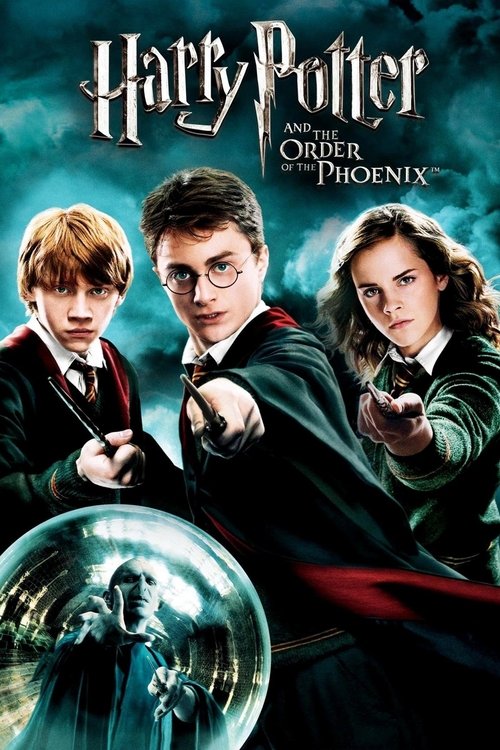
Harry Potter and the Order of the Phoenix Review: The Rebellion Begins
Imelda Staunton's Umbridge rules Hogwarts and the rebellion starts here. Our Order of the Phoenix review: the shortest film, the darkest politics.
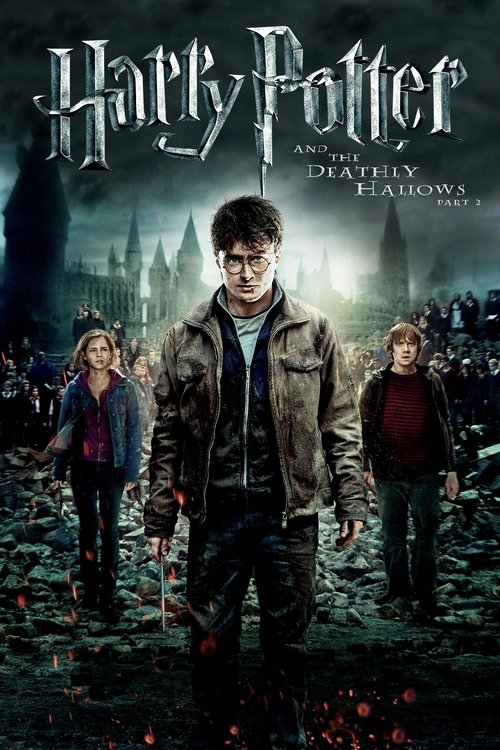
Harry Potter and the Deathly Hallows: Part 2 Review: The Finale Earns the End
The saga ends at full craft: the Battle of Hogwarts, Snape's memories, Desplat's score. Our Deathly Hallows Part 2 review has the verdict and the aggregates.
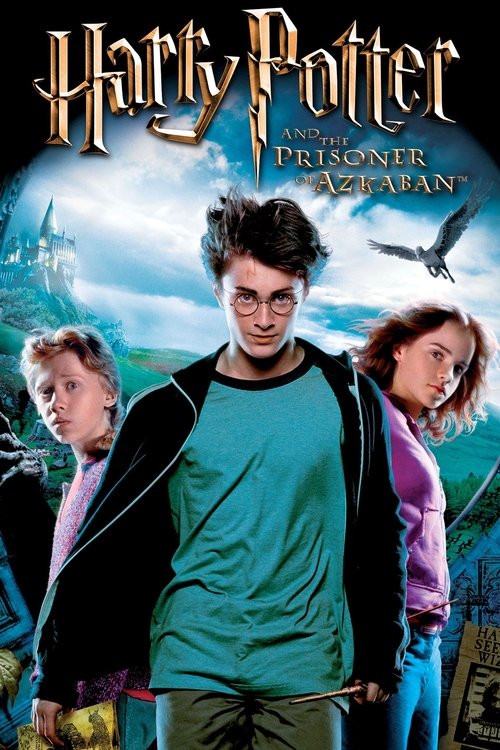
Harry Potter and the Prisoner of Azkaban Review: The Tonal Pivot
Cuarón gave Hogwarts dread and weather: dementors, Buckbeak, and a time-turner finale. Our Prisoner of Azkaban rewatch review has the numbers and the verdict.